
In Brief (TL;DR)
The Postepay Wire Transfer Receipt is a document that certifies a wire transfer made with a Postepay card has been completed.
You can get the receipt online through the Poste Italiane home banking service or at a post office.
The receipt has legal value as proof of payment.
The devil is in the details. 👇 Keep reading to discover the critical steps and practical tips to avoid mistakes.
Have you just made a Postepay wire transfer and need the receipt as proof of payment? Or are you about to make a transfer and want to know how to get the receipt and what its legal validity is? This comprehensive guide will provide you with all the essential information about the Postepay Wire Transfer Receipt, a crucial document for managing your transactions effectively. You’ll discover how to get it online, at the post office, and what the timing and costs are. Additionally, you’ll find in-depth information on how to use the receipt in case of disputes, for refunds, and for your personal accounting. Don’t waste any time, keep reading and become an expert on Postepay wire transfers!
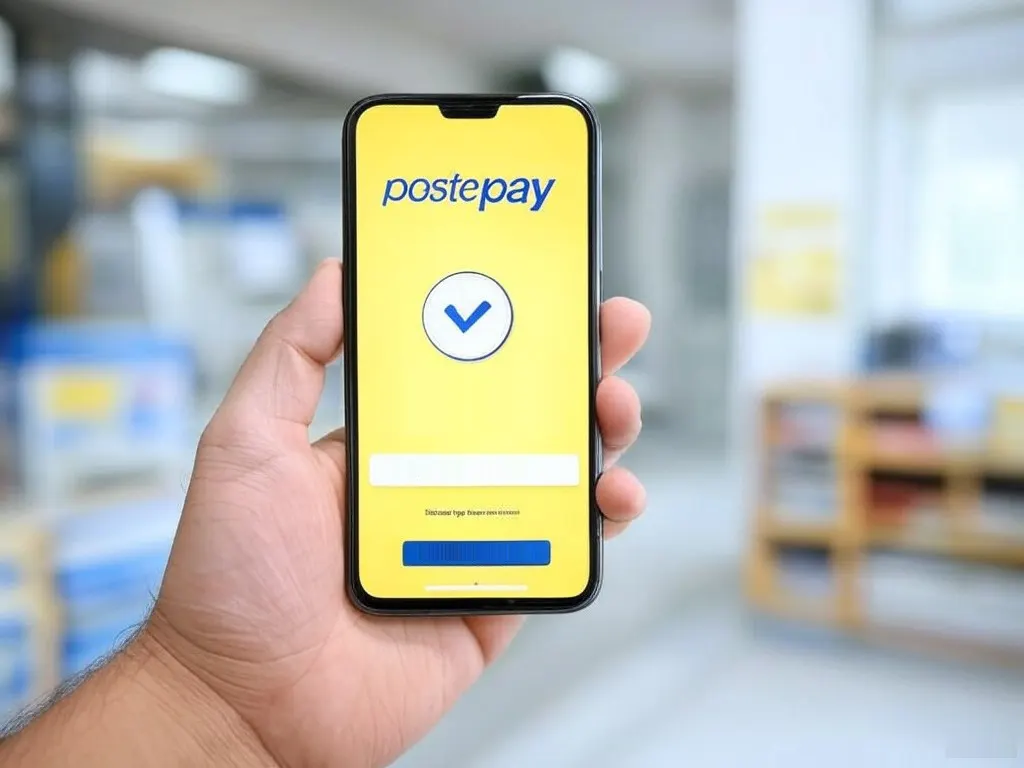
What is the Postepay Wire Transfer Receipt?
The Postepay Wire Transfer Receipt is an important document that certifies a wire transfer made using a Postepay card has been completed. This document contains all the information related to the transaction, such as the execution date, the amount transferred, the beneficiary’s name, and the reason for payment.
What is the receipt for?
The Postepay wire transfer receipt is essential as it serves as proof of payment. It may be required in various situations, such as:
- Disputes: in case of disagreements with the wire transfer beneficiary, the receipt proves the transaction was completed and shows its details.
- Refunds: if you are entitled to a refund for a purchase made with a Postepay wire transfer, the receipt is essential to request it.
- Bookkeeping: for individuals and businesses, the wire transfer receipt is an important document for managing their accounts.
How to Get the Postepay Wire Transfer Receipt
Poste Italiane offers several ways to get the Postepay Wire Transfer Receipt.
Online
The easiest and fastest way to get the receipt is through the BancoPosta online home banking service. To access the service, follow these steps:
- Visit the Poste Italiane website (poste.it) and log in to your BancoPosta online account.
- Once logged in, look for the section dedicated to transactions and statements.
- Find the Postepay wire transfer for which you want the receipt.
- At this point, you should be able to view and download the receipt in PDF format or print it directly.
Remember that to receive wire transfers on your Postepay, you must have an IBAN. You can retrieve your Postepay Card’s IBAN at any time:
- At a Post Office;
- Through the Poste Italiane App or Postepay App;
- Through your personal area on the Postepay website.
At the post office
If you prefer to get a paper copy of the Postepay wire transfer receipt, you can request it at a post office. Go to a post office with the transfer details, such as the date, amount, and beneficiary. The Poste Italiane staff will assist you with the process of requesting the receipt.
| Method | Timeframe | Cost | Required Documents |
|---|---|---|---|
| Online | Immediate | Free | Access to BancoPosta online account |
| Post Office | Variable (usually a few business days) | Free or for a fee (check with Poste Italiane) | Transfer details (date, amount, beneficiary) |
Transaction Screenshot
In some cases, you might need immediate proof that the wire transfer was made, but the official Poste Italiane receipt may not be available yet. In these situations, you can take a screenshot of the transaction.
To do this, log in to your home banking or the Postepay app, view the details of the completed wire transfer, and capture an image of the screen. Make sure the screenshot includes all relevant information, such as the date, time, amount, beneficiary, and the transaction reference code.
It is important to keep in mind that while a screenshot can be useful as temporary proof, it may not always be considered legally valid proof. Therefore, it is crucial to obtain the official Poste Italiane receipt as soon as it becomes available.
Postagiro: An Alternative to Wire Transfers
In addition to SEPA wire transfers, Poste Italiane offers another service for transferring money: the Postagiro. The Postagiro is a payment method that is inexpensive and fast for transferring funds between BancoPosta account holders and holders of enabled prepaid Postepay cards with an IBAN. The advantages of Postagiro include:
- Speed: the money is transferred the same day.
- Cost: the Postagiro is generally cheaper than a bank wire transfer.
Legal Validity of the Receipt
The Postepay wire transfer receipt, like a bank wire transfer receipt in general, has legal value as proof of payment. It is important to keep the receipt in a safe place, in both paper and digital format, so you can use it if needed.
Additional Information
Receipt Delivery Times
The time it takes to receive the Postepay wire transfer receipt varies depending on how you obtain it. If you download the receipt online, it will be available immediately. If you request the receipt at a post office, you may need to wait a few business days.
Customer Support
For any issues or questions regarding Poste Italiane services, including the Postepay Wire Transfer Receipt, you can contact customer support at +39 02 0233.
Conclusion

The Postepay Wire Transfer Receipt is a fundamental document for anyone making wire transfers with their Postepay card. It serves as tangible proof that the transaction was completed and can be used in various situations, such as resolving disputes, requesting refunds, or managing personal finances.
Poste Italiane offers several ways to get the receipt. The fastest and most convenient method is certainly online, through the BancoPosta online home banking service. By logging into your account, you can view your transaction list, find the desired wire transfer, and download or print the receipt in PDF format. Alternatively, you can go to a post office and request the receipt from the staff. In this case, you may need to wait a few business days to get the document.
It is important to emphasize that the Postepay wire transfer receipt has legal validity and can be used as proof of payment. For this reason, it is essential to keep it safe, in both digital and paper format.
In addition to SEPA wire transfers, Poste Italiane also offers the Postagiro service, an advantageous alternative for transferring money between BancoPosta account holders and holders of Postepay cards with an IBAN. The Postagiro is notable for its speed (the money is transferred the same day) and its low costs, which are generally lower than those of a bank wire transfer.
Ultimately, the Postepay Wire Transfer Receipt is an essential tool for anyone who uses a Postepay card to make payments and transfer money. Thanks to its legal validity and how easy it is to obtain, it ensures security and transparency in transactions.
Frequently Asked Questions

If you made the transfer through the Poste Italiane website or app, you can log in to your personal area and download the receipt from the transactions section.
If you have already received the reference code for the instant transfer, the transaction cannot be canceled. In case of an error or a duplicate transfer, you can request a recall of the wire transfer at a post office.
Make sure you have enabled notifications in the Postepay app. When you make an online wire transfer, you will receive a notification with the transaction details and the option to confirm it using your PosteID Code or fingerprint.
Incoming wire transfers to a Postepay are generally credited on the same day that Poste Italiane receives the funds from the sending bank.
To transfer money from a Postepay Evolution to a BancoPosta account, you can use either a wire transfer or a Postagiro.




Did you find this article helpful? Is there another topic you'd like to see me cover?
Write it in the comments below! I take inspiration directly from your suggestions.