
In Brief (TL;DR)
Severe weather on January 20, 2026, forced widespread bus cancellations across Simcoe County while schools remained open for learning.
Transportation authorities utilized strict safety protocols and real-time weather data to prioritize student safety during the hazardous winter conditions.
Educators maintained academic momentum through digital platforms, ensuring students unable to attend could access materials and continue their studies.
The devil is in the details. 👇 Keep reading to discover the critical steps and practical tips to avoid mistakes.
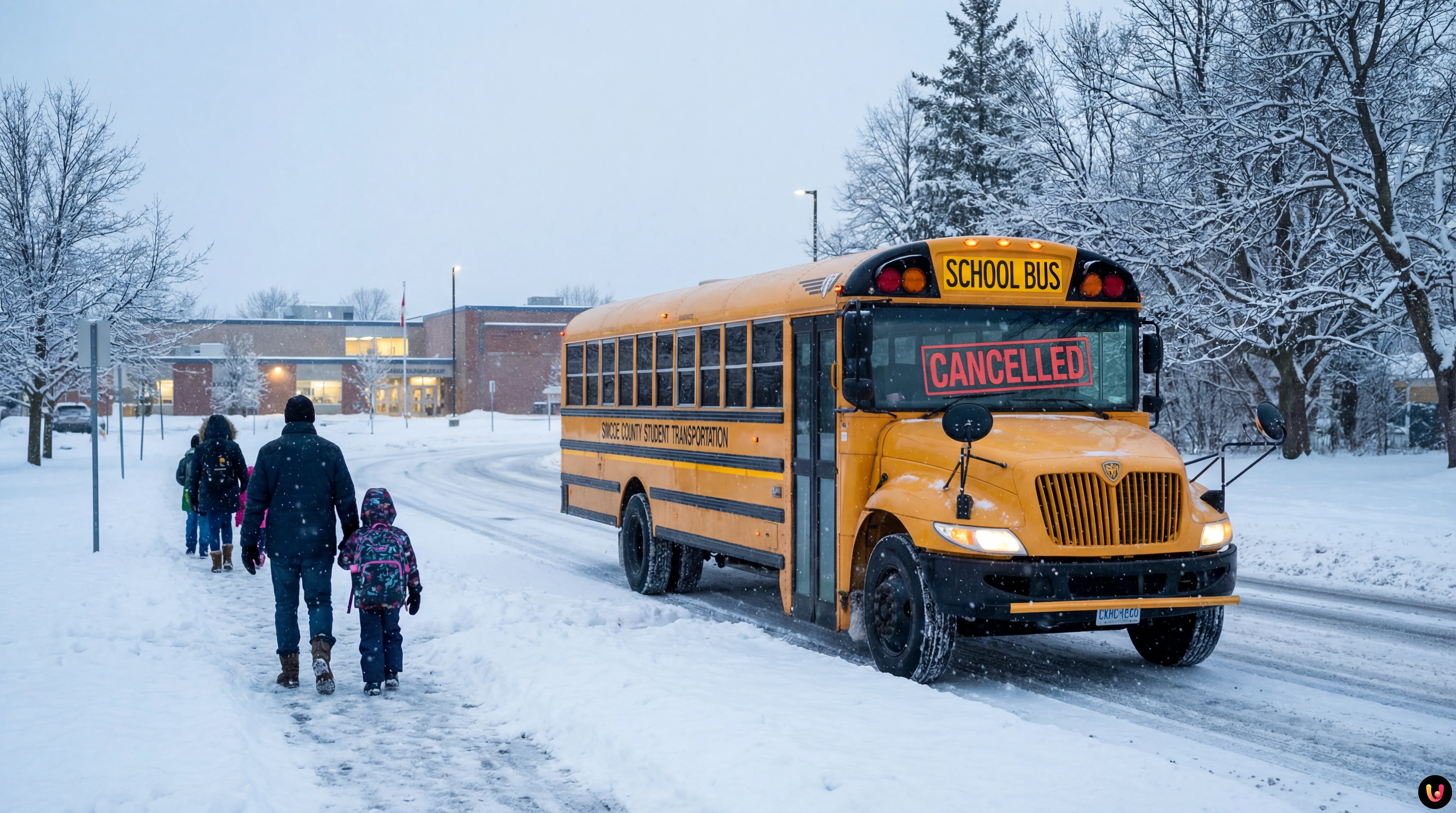
On Tuesday, January 20, 2026, thousands of families across Simcoe County and Central Ontario woke up to a familiar winter reality: school bus cancellations. With the search term "bus cancellations" trending with over 5,000 searches early in the morning, the disruption to the daily routine was widespread. According to reports from CTV News and OrilliaMatters.com, the Simcoe County Student Transportation Consortium (SCSTC) announced the cancellation of school vehicles in the North, West, and Central weather zones due to inclement weather and poor road conditions.
While the sight of snow-covered driveways is common in Canadian winters, the logistics behind these cancellations are complex and rooted in strict safety protocols. For students, parents, and educators, understanding the mechanics of these decisions—and the subsequent shift in the learning environment—is essential. This article explores the specific details of the January 20 cancellations, the criteria used by transportation authorities, and the educational continuity plans that schools enact when the buses stay off the roads.
The Scope of the January 20 Cancellations
The cancellations issued for Tuesday, January 20, were extensive but not universal across the region. According to OrilliaMatters.com, the decision affected the North Zone (including Elmvale, Midland, Penetanguishene, and Orillia), the West Zone (Collingwood, Stayner, and Wasaga Beach), and the Central Zone (Barrie, Innisfil, and Angus). Conversely, school vehicles in the South Zone and Muskoka regions were reported to be operating normally, highlighting the localized nature of snow squalls and weather patterns in the area.
It is crucial to distinguish between bus cancellations and school closures. As confirmed by the Simcoe County District School Board (SCDSB), schools remained open for student learning despite the transportation disruptions. This distinction often causes confusion, but it serves an important educational purpose: ensuring that students who can safely travel to school—either by walking or through parent drop-off—still have access to in-person instruction and resources.
The Science of Safety: How Decisions Are Made
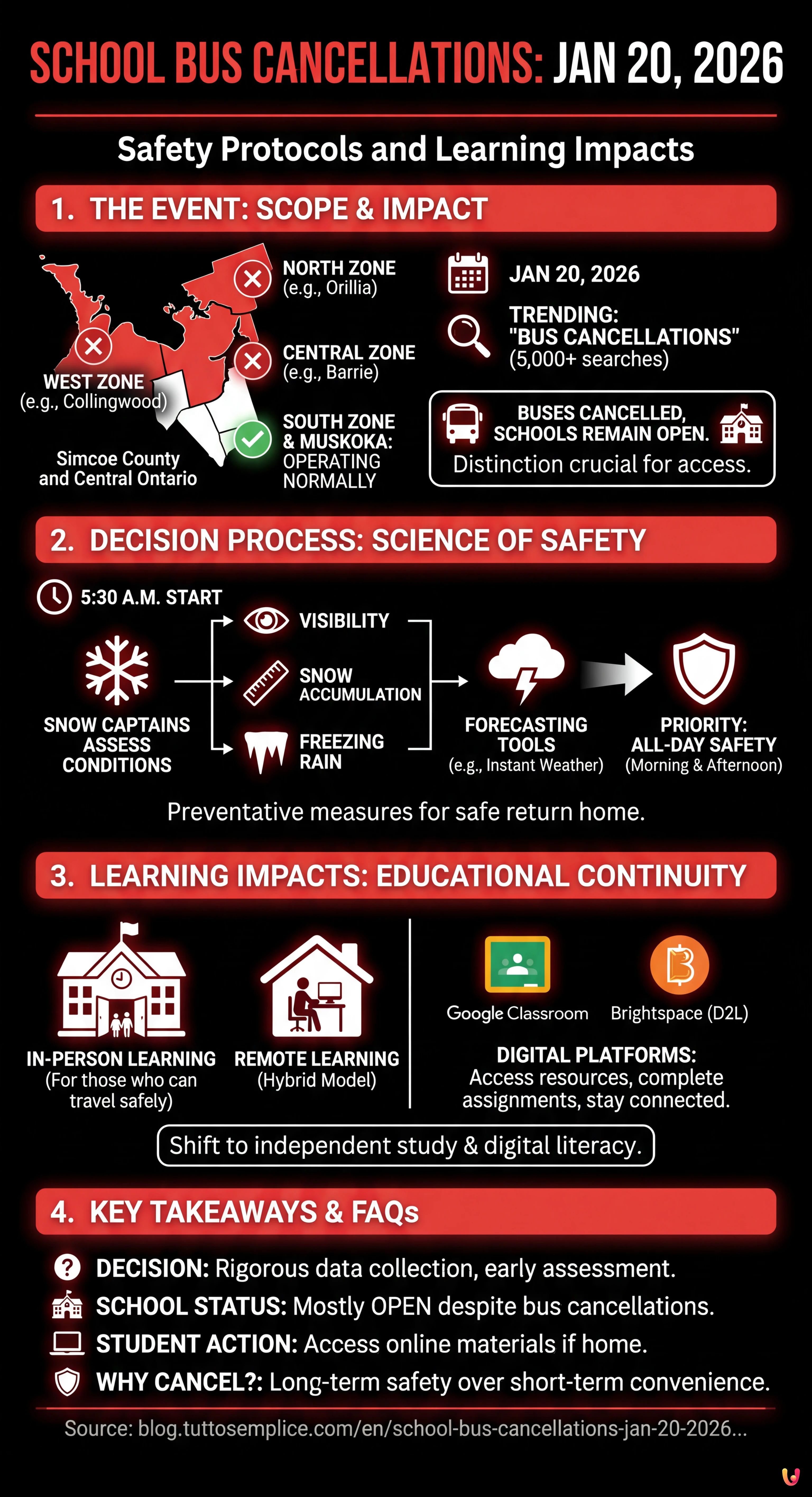
The decision to cancel school buses is never made lightly. It is the result of a rigorous data-collection process that begins long before the sun rises. According to the Simcoe County Student Transportation Consortium, the decision-making framework involves a "snow captain" system. Representatives are assigned to specific geographic areas to review road and weather conditions as early as 5:30 a.m. These officials assess visibility, snow accumulation, and the presence of freezing rain.
Forecasting tools play a pivotal role in this process. Services like Instant Weather provide real-time data that transportation consortiums use to predict how conditions will evolve throughout the school day. The primary objective is not just ensuring students can get to school, but guaranteeing they can return home safely. If the forecast suggests a deterioration of conditions by the afternoon dismissal, cancellations are often issued as a preventative measure. This educational approach to risk management prioritizes long-term safety over short-term convenience.
Educational Continuity in the Digital Age
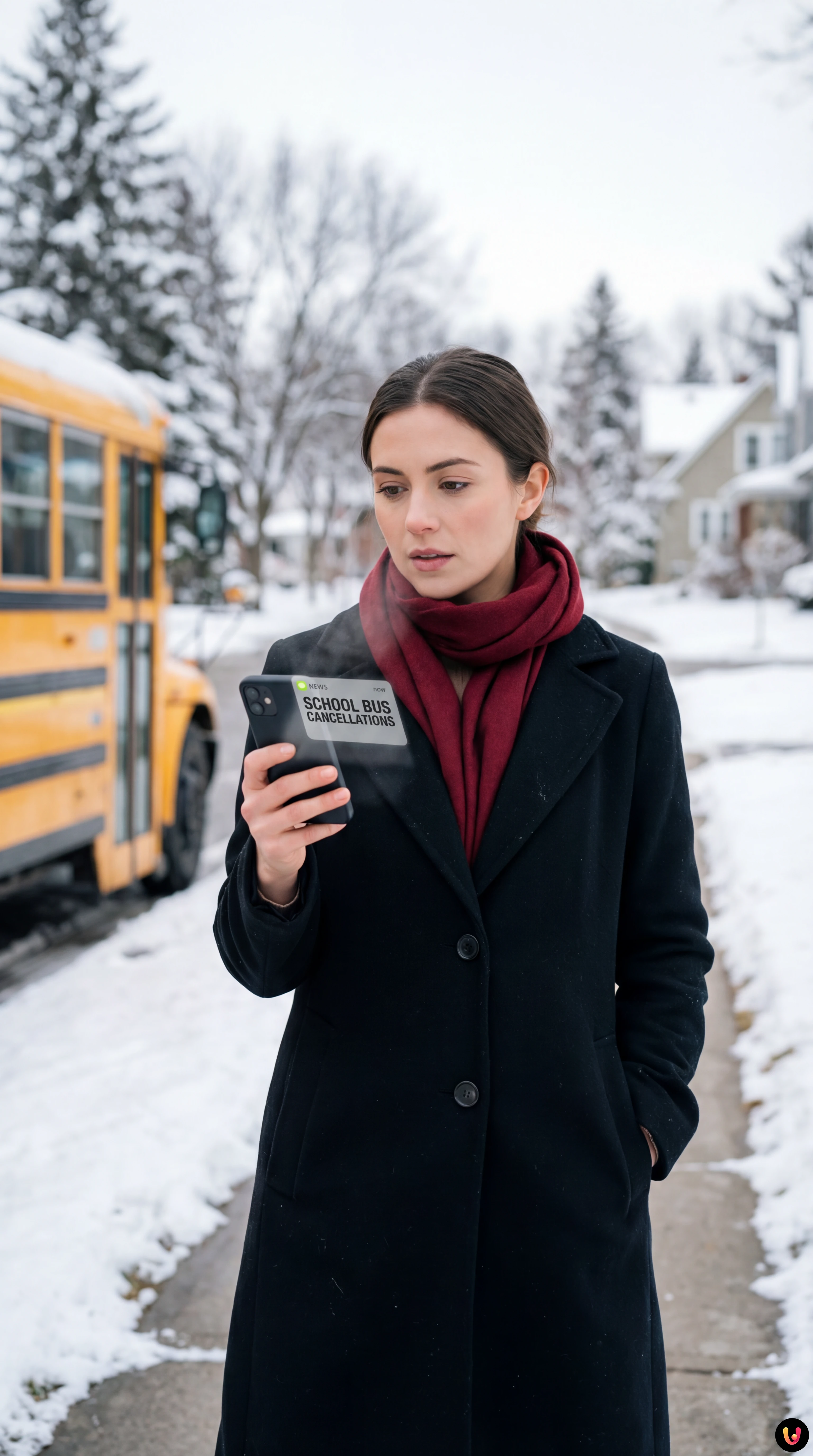
In the modern educational landscape, a "snow day" no longer implies a complete halt to learning. With the integration of digital platforms, schools are better equipped to maintain academic momentum during weather events. When buses are cancelled but schools remain open, educators often pivot to a hybrid model. Students present in the classroom continue with their lessons, while those unable to attend are encouraged to access resources via online learning management systems.
According to board protocols, staff are expected to plan for these emergencies by utilizing platforms such as Google Classroom or Brightspace (D2L). This ensures that students stranded at home due to the lack of transportation can still engage with course materials, complete assignments, and stay connected with their learning objectives. This shift represents a significant evolution in education, turning potential lost days into opportunities for independent study and digital literacy development.
Conclusion

The school bus cancellations of January 20, 2026, serve as a reminder of the challenges posed by winter weather in Ontario. While the North, West, and Central zones of Simcoe County faced disruptions, the robust systems in place—from the SCSTC’s early morning safety assessments to the school boards’ digital continuity plans—ensured that safety remained the priority without sacrificing educational progress. As winter continues, staying informed through reliable sources like CTV News and official consortium websites remains the best strategy for students and families navigating these seasonal hurdles.
Frequently Asked Questions

The decision involves a rigorous process led by the Simcoe County Student Transportation Consortium. Designated officials, known as snow captains, review road and weather conditions starting as early as 5:30 a.m. They assess factors such as visibility, snow accumulation, and freezing rain while using forecasting tools to predict conditions for the entire day, ensuring students can travel safely both to and from school.
Yes, in most cases, schools within the Simcoe County District School Board remain open for student learning even when transportation is cancelled. This distinction is important because it allows students who can safely travel via walking or parent drop-off to access in-person instruction, while the bus cancellation is primarily a safety measure for the transportation network.
When buses are cancelled but schools remain open, the education system shifts to a hybrid model. Students remaining at home are encouraged to access their course materials and assignments through online learning management systems like Google Classroom or Brightspace. This ensures educational continuity and allows students to maintain academic momentum despite the weather disruption.
Transportation authorities prioritize long-term safety over short-term convenience. The primary objective is not only getting students to school but guaranteeing they can return home safely. If forecasting tools suggest that road conditions will deteriorate by the afternoon dismissal time, cancellations are often issued as a preventative measure to avoid stranding students or putting them at risk later in the day.
Cancellations are often localized based on specific weather patterns like snow squalls. For example, on January 20, 2026, the North, West, and Central zones faced disruptions due to poor road conditions, while the South Zone and Muskoka regions operated normally. It is essential for families to know their specific weather zone to understand how regional forecasts impact their daily routine.
Sources and Further Reading




Did you find this article helpful? Is there another topic you'd like to see me cover?
Write it in the comments below! I take inspiration directly from your suggestions.