
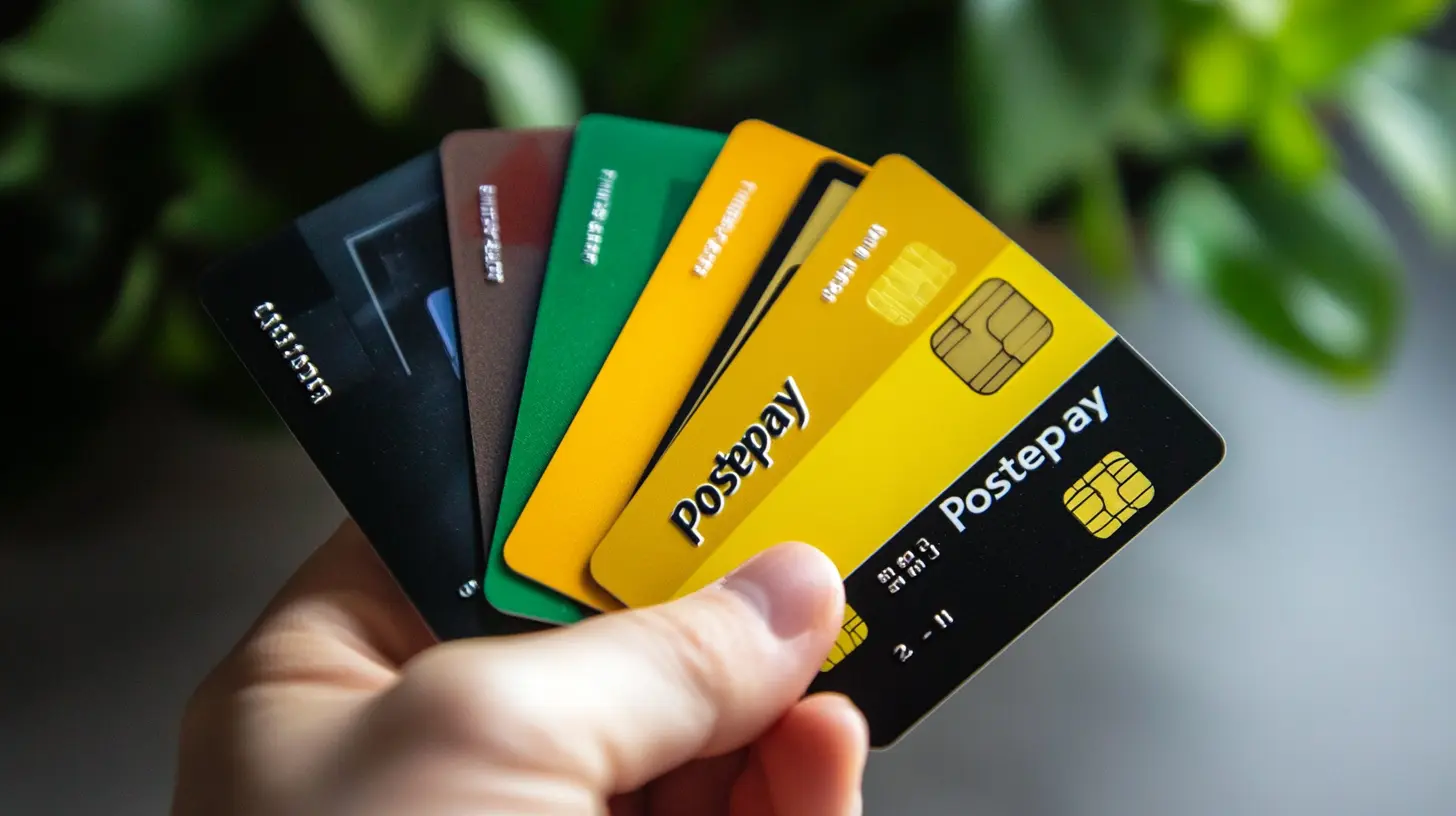
Postepay is a rechargeable prepaid card issued by Poste Italiane, widely used in Italy for its practicality and versatility. If you’re thinking of getting one, it’s important to know what documents are needed and how to start the process. In this complete and updated guide, we will detail the documents required to get a Postepay, for both Italian and foreign citizens, including the Postepay Digital. We will also delve into the different types of Postepay available, the specific application methods, and provide you with useful tips for a smooth application process.
Documents Needed to Apply for a Physical Postepay for Italian Citizens
For adult Italian citizens, the documents needed to apply for a physical Postepay are:
- Valid ID Document: You can use your identity card, passport, or driver’s license. Make sure the document is valid and not expired.
- Tax Code (Codice Fiscale): You must provide your tax code to register the card.
Documents Needed to Apply for a Physical Postepay for Foreign Citizens
Foreign citizens residing in Italy can apply for a physical Postepay by presenting the following documents:
- Valid Residence Permit (Permesso di Soggiorno): The residence permit must be valid and not expired.
- Passport: You must present your passport as a form of identification.
- Tax Code (Codice Fiscale): Foreign citizens must also provide their tax code.
Applying for Postepay Digital: Two Options
Postepay Digital is a fully digital prepaid card, manageable through the Postepay app. To apply for it, you have two options:
1. If you have a Poste account and SPID:
- Login with SPID: Log in to your personal area on poste.it using your SPID credentials. Poste Italiane will automatically retrieve your data, simplifying the application process.
2. If you’re starting from scratch:
- ID Document: Have a valid ID document handy (identity card, passport, or driver’s license).
- Mobile Phone: Make sure you have your mobile phone available to receive verification codes.
- Camera or Webcam: You will need to use your smartphone’s camera or your PC’s webcam to complete the identification process.
Types of Postepay and How to Apply
Poste Italiane offers different types of Postepay, each with specific features and functionalities. Here is an overview of the different cards and their application methods:
- Postepay Standard:
- At a Post Office: You will receive the card already activated. Book an appointment on poste.it or the Postepay App to save time.
- Postepay Evolution:
- Online with the Postepay App or on poste.it: Receive the digital version immediately and the physical card at home.
- At a Post Office: You will receive the card already activated. Book an appointment on poste.it or the Postepay App to save time.
- Postepay Connect:
- Via Postepay App: For the Postepay Connect Back 200 and Postepay Connect 12 mesi offers.
- At a Post Office: Book an appointment on poste.it or the Postepay App to save time.
- Postepay Green:
- At a Post Office: Application by a parent/guardian with the minor’s documents.
- Postepay Evolution Business:
- At a Post Office: You will receive the card already activated.
- Postepay Impresa:
- At a Post Office (to sign up for the service): Book an appointment.
- BancoPosta Corporate Banking Platform (to request cards): Via BancoPostaImpresa Online.
- At a Post Office (to activate cards): Find the nearest post office.
Summary Table
| Type of Postepay | Online Application | Application at Post Office | Application via App |
|---|---|---|---|
| Postepay Standard | No | Yes (booking recommended) | No |
| Postepay Evolution | Yes | Yes (booking recommended) | Yes |
| Postepay Connect | No | Yes (booking recommended) | Yes (only for some offers) |
| Postepay Green | No | Yes | No |
| Postepay Evolution Business | No | Yes | No |
| Postepay Impresa | Yes (via BancoPostaImpresa Online platform) | Yes (for sign-up and activation) | No |
| Postepay Digital | Yes | No | Yes |
Useful Tips for Applying for a Postepay
- Check Your Documents: Before going to the post office or starting the online process, make sure you have all the necessary documents and that they are valid.
- Fill Out the Form Correctly: Pay attention when filling out the application form, entering the data accurately and legibly.
- Keep Your Documentation: After receiving your Postepay, keep the documentation related to the application in case you need it in the future.
Postepay: Review and Comparison of the Different Types
Postepay is one of the most popular prepaid cards in Italy, thanks to its ease of use, wide acceptance network, and the different types available, which cater to various needs. In this section, we will analyze the different versions of Postepay, highlighting their pros and cons to help you choose the one that’s right for you.
Postepay Standard
The basic version, ideal for online and in-store purchases, phone top-ups, and bill payments.
Pros:
- Low issuance cost.
- Easily available at post offices.
- Simple to use.
Cons:
- Relatively low top-up and spending limits.
- Does not have an IBAN.
- Limited features compared to other versions.
Postepay Evolution
The advanced version with an IBAN, which allows you to receive bank transfers, have your salary credited, and set up direct debits for utilities.
Pros:
- Has an IBAN for bank transfers and direct debits.
- Higher top-up and spending limits.
- Option to apply for a mini-loan.
Cons:
- Higher annual fee compared to the Standard version.
- Stricter checks and possible blocks for suspicious activity.
Postepay Connect
The card that includes a PosteMobile SIM, ideal for those looking for a single solution for payments and communications.
Pros:
- Combines the advantages of a Postepay with those of a PosteMobile SIM.
- Dedicated offers with included minutes, SMS, and Gigs.
- Integrated management through the Postepay app.
Cons:
- Tied to the PosteMobile carrier.
- Subject to the top-up and spending limits of the Postepay Standard.
Postepay Green
The card designed for minors, managed by a parent or guardian, to teach responsible money use.
Pros:
- A tool for teaching kids about money management.
- Parent/guardian control over transactions and spending.
- Customizable spending limits.
Cons:
- Can only be requested at a post office.
- Limited features compared to other versions.
Postepay Evolution Business
The card dedicated to freelancers and small businesses for managing company expenses.
Pros:
- A payment tool dedicated to professional activities.
- Separate management of personal and business expenses.
- Option to request additional services for business management.
Cons:
- Higher annual fee compared to the Evolution version.
- Can only be requested at a post office.
Postepay Impresa: The solution for companies wishing to manage employee expenses in a simple and controlled way.
Pros:
- Centralized management of company cards.
- Control over spending limits and transaction types.
- Option to customize cards with the company logo.
Cons:
- Requires signing up for the BancoPosta Impresa service.
- More complex activation process compared to other versions.
Postepay Digital
The fully digital card, accessible via the Postepay app, ideal for online and contactless payments.
Pros:
- Free of charge.
- Immediately available after application.
- Simplified management via the Postepay app.
Cons:
- There is no physical card.
- You cannot withdraw cash.
In Brief (TL;DR)
To apply for a Postepay, it is essential to have a valid ID document and your tax code (codice fiscale).
The application method varies depending on the type of card chosen: some can be requested online or via an app, while others require you to be physically present at a post office.
It is advisable to book an appointment online to avoid long waits at the post office.
Conclusion

Applying for a Postepay is a simple and fast process, provided you have the necessary documents and know the specific application methods for each type of card. By following this guide, you can prepare for your application and start using your Postepay in no time. Remember to contact customer service at Poste Italiane or consult the official website for updated and detailed information.
Frequently Asked Questions

No, Postepay can only be requested by adults, with the exception of Postepay Green, which can be requested by a parent/guardian for a minor.
The issuance cost of a Postepay varies depending on the type of card chosen. Postepay Digital, for example, is free.
Delivery times for the physical Postepay card can vary. Postepay Digital is available immediately after the application.
You will need to get a duplicate of the lost document before you can proceed with the application.



Did you find this article helpful? Is there another topic you’d like to see me cover?
Write it in the comments below! I take inspiration directly from your suggestions.